Find the real problem
Start with people, evidence and context. Discover the constraint that actually matters.
Housing needs become a budget, commute and service brief.Hello, I'm Martin Zhong Shanghai, China
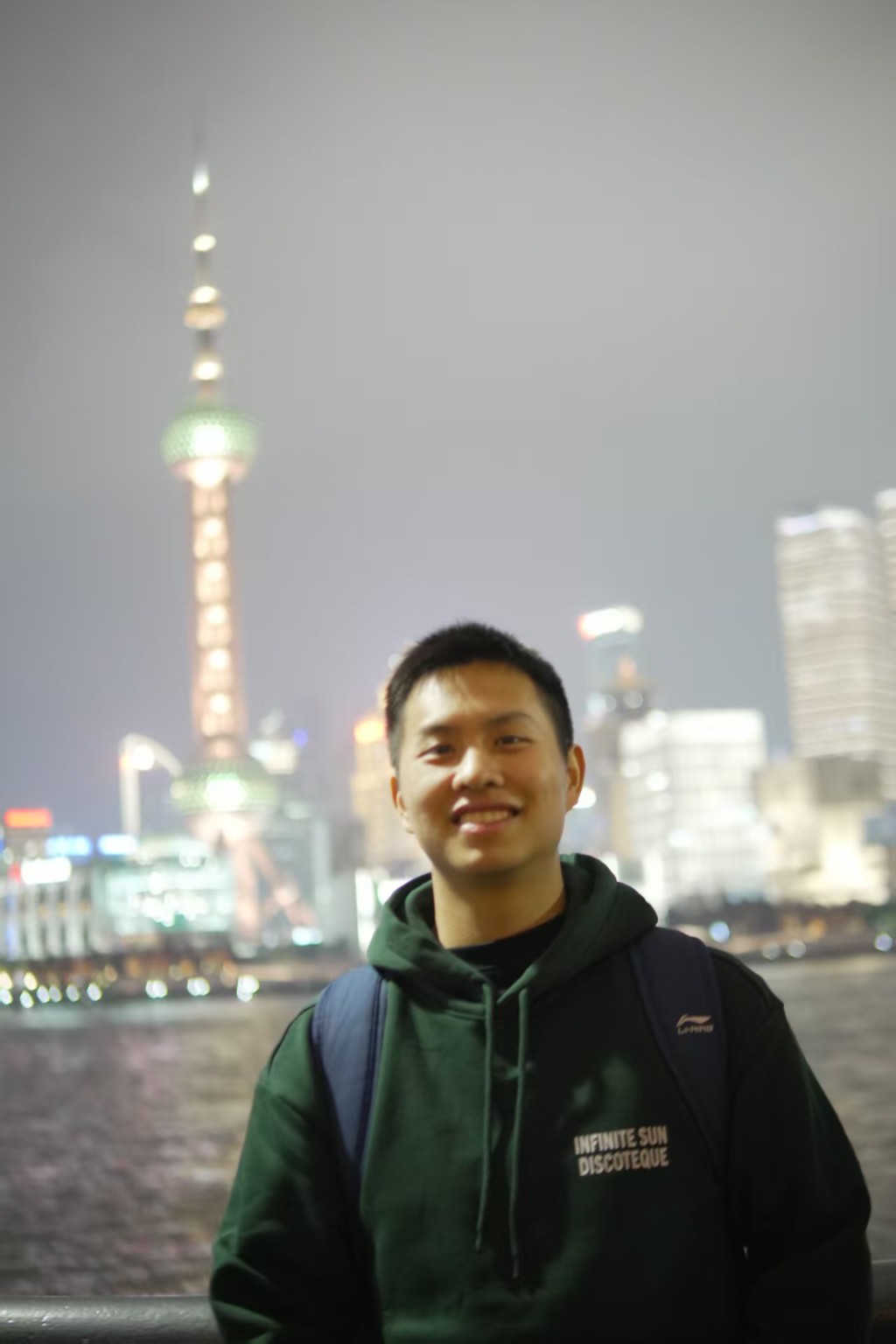
I connect an understanding of people and their needs with the ability to build practical software.
Master of Public Administration · School of International and Public Affairs
First Prize ScholarshipBachelor of Public Administration
Second Prize ScholarshipRankings: QS World University Rankings 2027 · University-wide, not subject-specific.
I studied public administration at Sun Yat-sen University, where I learned to ask how institutions, services, and incentives shape everyday life. During my master’s at Shanghai Jiao Tong University, that interest became a habit of questioning assumptions and focusing on what people actually need.
One observation kept coming back to me: the hierarchy of who gets to build useful things is changing fast. AI has made it possible for graduates from any background to produce work that once required elite teams and resources. The technology is now accessible to everyone, but that also raises the bar. The real challenge is deciding what to build and who it is for.
That led me to a practical question: how could everyday life in China become less complicated for people arriving from elsewhere?
I founded Adapt to China to explore that question. It started as a small, focused, independent platform combining AI assistance with hands-on human support. The services cover housing searches and rental assistance, pet care, reservations and bookings, phone calls in Chinese, and practical guidance on everyday life in China.
In its early development, the platform grew to 151 content pages covering 132 local places. It has since attracted over 5,000 Instagram views and generated at least six real service orders. These numbers are modest, but each one represents something concrete: information made easier to find, a problem brought closer to resolution, or someone willing to trust a service I built.
Working on Adapt to China taught me to judge a product by whether it helps someone complete the next step, rather than by the sophistication of the technology behind it.
The project also shaped my thinking about AI products. For any product that relies on AI, trust is the most valuable asset. People do not interact with AI in the same way they use traditional software. They need to believe that the system understands their situation, and they need to feel that a real person stands behind it when things go wrong.
I believe people who know how to build things should also learn how to earn the trust of the people they serve. That means being honest about what a product can and cannot do, responding when things break, and never hiding behind automation.
I want to use AI to make complicated tasks simpler. The goal is to remove the friction that keeps people from getting what they need, not to replace human judgment. That is the direction I want to keep working in.
02 / What I bring
I am interested in work that joins human understanding with technical possibility — and takes responsibility for the result.
Start with people, evidence and context. Discover the constraint that actually matters.
Housing needs become a budget, commute and service brief.Turn ambiguous requests into something people can try, question and improve.
AbTrace turns a module list into role-based research tasks.Use AI-assisted development with sources, failure paths and explicit human review.
A 20-question evaluation set shaped evidence-oriented AI answers.Treat installation, recovery and the handoff as part of the product.
Meetfolio adds model checks, repair and a Windows installer.03 / What's next
I’m interested in AI product, enterprise software, product strategy and customer-facing technical solutions.
Shanghai · Hong Kong · International teams
Open to AI product opportunities and collaborations
Contact
[email protected]AI products, practical software, early-stage ideas and the messy details of making things work — I'd love to hear from you.